Evan Randall Smith on Facebook 7/22, writing about the food at a gathering near him:
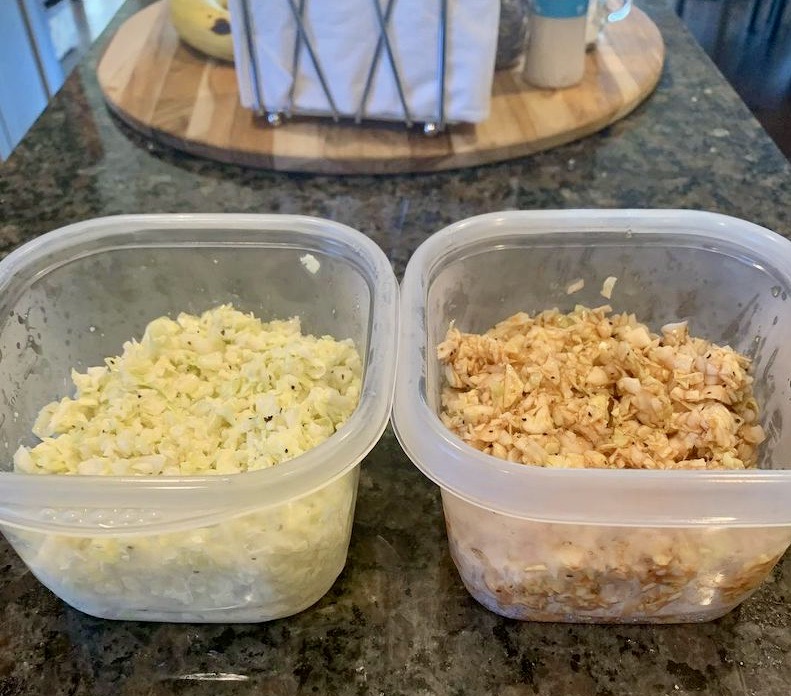
(#1) ERS: Oklahoma is about to get a taste of North Carolina at a pool party today with some traditional red and white coleslaw offerings.
Evan Randall Smith on Facebook 7/22, writing about the food at a gathering near him:
(#1) ERS: Oklahoma is about to get a taste of North Carolina at a pool party today with some traditional red and white coleslaw offerings.
In the Economist 7/1/23 issue (on-line 6//29): in print: “Raising the standard: How to avoid having an embarrassing emblem”; on-line: “How to design better flags: Some tips to avoid having an embarrassing emblem” (the jokey titles come in the print edition; on-line is just the information). Below the line, the full on-line text, with illustrative flags from my files interspersed throughout the text, plus the illustration from the on-line article.
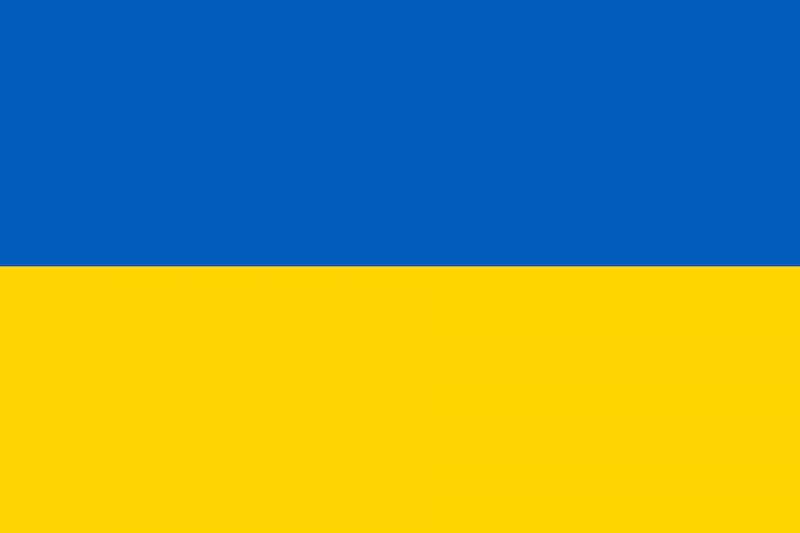
Have you ever met a vexed vexillologist? This is someone who frets when flags are badly designed. Sadly, too many flags flutter to deceive: they are cluttered with imagery, a mess of colours and all too easily forgettable. Yet flags matter. Witness Ukraine’s blue-and-yellow banner, which now serves as a potent symbol around the world (not to mention on this newspaper’s covers).
(#1) The Ukraine flag
A fine flag can be something that citizens feel proud to pledge allegiance to, as well as an excellent marketing tool. Canada’s red maple leaf, for example, has advertised the country on countless backpacks across the world.
(#2) The Canadian flag
A bad banner has an obvious solution: change it. That is what several American states and cities have been doing, or at least contemplating. In March, Utah approved a new standard with a bold beehive to replace its fussier old flag. Maine may ask voters to decide in November whether it should switch from its current, over-intricate design to a different one with a plain pine tree and a blue star, a reinterpretation of an older banner, which is already proving popular. The design is not yet settled, so perhaps a flag with a lobster could pinch the honours at the last minute.
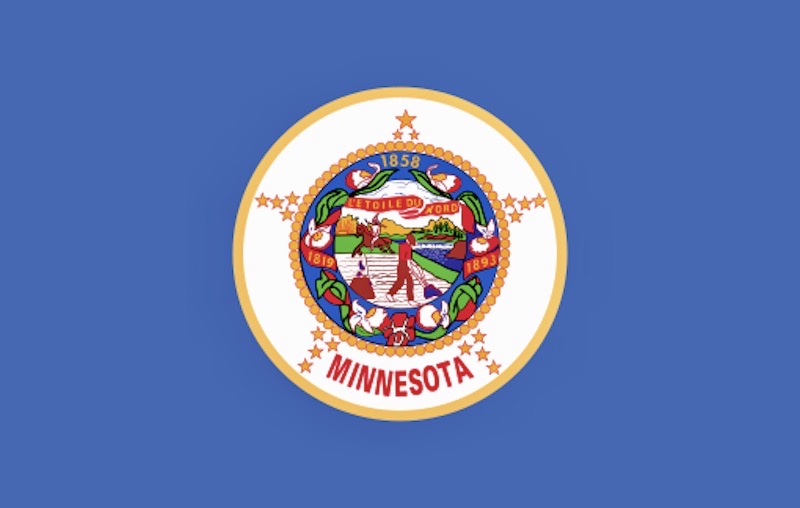
Many people in Minnesota may not even realise they have a state flag — which is lucky. The state representative who has led a campaign to replace the current one has described it as “a cluttered genocidal mess”. Its imagery includes three dates from the 1800s, a French motto and a Native American riding away in the background while, in the foreground, a farmer tills the land. A new design is due to replace it next May.
(#3) The Minnesota flag
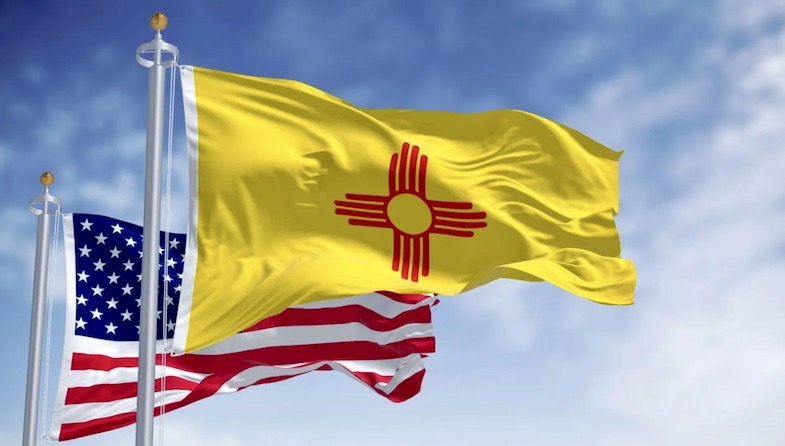
Fortunately, the world has centuries of experience that can help guide better flag design. This has led to a few well-established rules. First, keep it simple. A good test is whether a child can draw it from memory. Japan’s red circle in a white rectangle passes the test with, er, flying colours. So does New Mexico’s design (pictured), another red-sun symbol, against a yellow background; it is a thing of simple beauty.
(#4) The Economist illustration
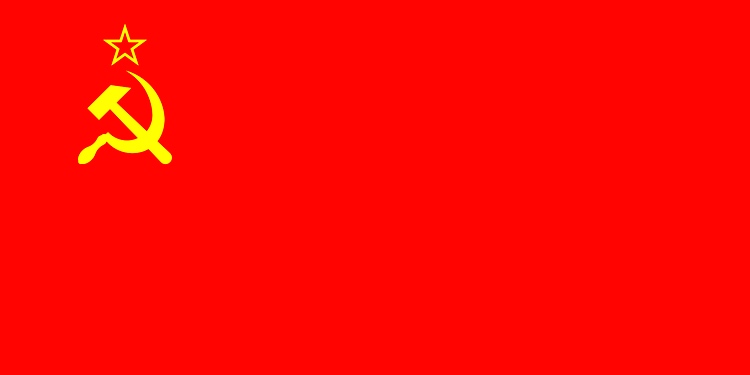
Second, use meaningful symbolism: think Israel’s Star of David, the Soviet hammer-and-sickle
(#5) The Soviet Union flag
or America’s 50 stars, representing all its states, and 13 stripes, evoking the original colonies. (Mozambique, displaying an ak-47 assault rifle, perhaps went too far.) Third, limit the palette to just a few basic colours. True, as South Africa’s black-gold-green-white-red-blue emblem shows, it is possible to break this rule successfully, but even the rainbow Pride flag, in its most familiar version, cut two colours from its original eight, because hot pink and cool turquoise made it hard to manufacture.
(#6) The standard Gay Pride flag
The fact that banners are often viewed from the back helps explain a fourth sensible rule: avoid lettering.
Last but certainly not least: be distinctive. You will then avoid the situation of Indonesia and Monaco, whose flags look the same, as do Romania’s and Chad’s. Nepal’s jagged double-pennon, by contrast, is delightfully unique — the only national flag with an irregular shape. Similarly, Jamaica’s is the only one without red, white or blue. Switzerland and the Vatican stand out as the only countries with flags that are square.
(#7) The Swiss flag
Sometimes proposals for new flags fail. Badges of identity arouse strong feelings. New Zealanders rejected a switch in a referendum in 2016. Traditionalists can feel attached to old emblems. But from Maine to Milwaukee, plenty of places — call them flaggards — have dreadful, old-fashioned banners that are ripe for change. In 2004 Pocatello, Idaho, was reckoned in a survey of vexillologists to have the worst city flag in America. It was changed in 2017, and in a survey last year the new flag ranked 11th in the country. Come on, flaggards, do the Pocatello.
Referring to food that moves closer to the full range of food, including items that would present challenges to someone who’s had their gall badder removed (as I had, a month ago). Fats and animal protein, especially red meat protein, are a problem for many people post-surgery, for months. (A vivid and seriously distasteful account of these problems can be found in my 6/26/23 posting “Return again”, about my second return from Stanford Hospital, a month ago, following the gall bladder surgery.)
Before I go on, a note: For quite some time now I have carefully avoided posting about my medical conditions and their treatment, because, despite my explicit warnings, well-meaning friends could not keep themselves from offering me advice about what to do — thereby making my life that much more difficult, because I had to cope with each of these pieces of advice, instead of tending to my self-care. I have lost my patience. The current deal is that, if you now offer me such advice, I will not only fail to respond, but I will cut you out of my life forever. No exceptions, I don’t care who you are: behave decently, or I will smite you.
(I hear people whining: but *I* have the answer, and you really need to hear it! I *care* about you! Suppress these thoughts, or suffer the consequences.)
Just went past me on Facebook, a funny-mistake posting (which I didn’t immediately save and now can no longer find) in which a dress code for men stipulates that they must wear a collard shirt (for collared shirt — that is, no t-shirts or tank tops allowed).
My reaction was to hope that someone had created shirts (of whatever kind) in vivid patterns of collard greens. I am always on the lookout for beautiful shirts for men.
A pretty extensive search has convinced me that no such shirts are to be found. Instead, I found several variants of the collard meta-shirt, like this (collarless) lime green beauty from Zazzle:
(collared ‘having a collar’ and collard referring to the leafy green vegetable being homophonous)
Another little posting about what I’m doing, coming close to a posting about nothing, in the tradition of Seinfeld. Today it was a gardening task, but a very complex one (at least for someone who has to get around in a walker), ultimately taking me an hour of steady hard work, with very considerable assistance from my helper León (in what turned out to be nearly 80-degree heat, but in the shade and not at all unpleasant). I’ll explain the job and then the details of our work.
But first, of course, Seinfeld.
This arresting image came past me on Pinterest yesterday:
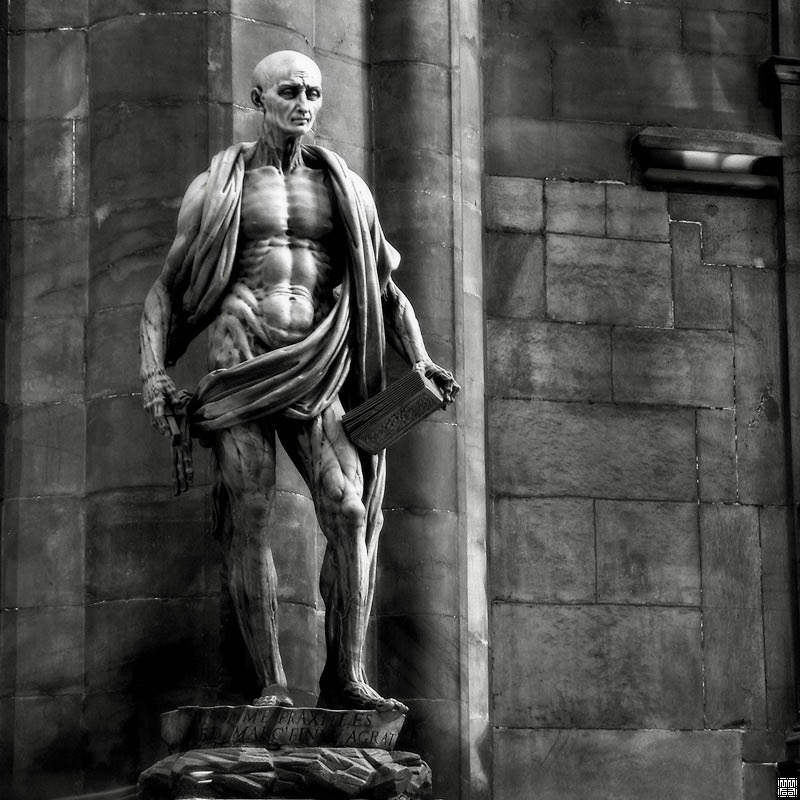
(#1) St Bartholomew Flayed, by Marco d’Agrate, 1562 (Duomo di Milano)
Yes, flayed, with his skin peeled off. More on this statue below. Now about St. Bartholomew and how he ended up being portrayed in artworks this way.
(The title should warn you about what’s coming. There will be talk — in generally decorous language, but still — about men’s bodies as objects of sexual desire and about man-on-man sex, so not recommended for kids or the sexually modest.)
Yesterday’s Daily Jocks e-mail sale ad:
ad copy:
The ultimate party jockstrap from Vaux! Crafted exclusively from breathable, lightweight athletic nylon/spandex material, Vaux Playa Jockstrap is guaranteed to keep you cool and looking sexy af 😈.
Now, these images are designed to focus the viewer’s gaze on the visual center of the image, the model’s amply filled jockstrap (embracing the object of the intended viewer’s sexual desire but also what’s on sale here) and then, inevitably, the model’s handsome face, because people are strongly face-oriented. Then you appreciate the model’s beautifully developed body and notice the angling of his body in what is in fact a conventional beefcake pose. Buy my clothes and you can become me, or at least fantasize about doing me.
I’ll go on to analyze how the ad drips with gay sex, but after I appreciated the promise of the model’s dick and balls in that jockstrap and the warmth of his gaze — I am, after all, a big ol’ fag, a gay man with a high sex drive and an inventive and diverse fantasy sex life — I just delighted in the beauty of the clothes, which made me smile with pleasure. Every man should wear such beautiful things. Not necessarily in a jockstrap, or of course in what looks like a shredded crop top (though those would be admirably functional as gay partywear — more on this below), but in briefs, swimsuits, shirts of all kinds, and shorts.
Now on to the sociocultural analysis …
My note on Facebook on the 16th, two days ago:
Just went out to dump some composting materials on the garden, waiting until the garden was at least in the afternoon shade — but at 88 F (down from the high of 90) — and working quickly. Back in the air-conditioning, somewhat frazzled but feeling accomplished. Contemplating an early dinner — it’s been a long day, up at 2 am and on from there, doing lots of things, including a Mary, Queen of Scots, Not Dead Yet posting that was entertaining for me (if not for my readers).
The posting reference is to my 7/16 posting “The Mummy’s Cursor”.
But now about the heat.
… appearing on Pinterest yesterday. This led me to a most remarkable story about the painter. Who, as it turns out, is a fictitious artistic personality (complete with a complex life history and a substantial body of works) created by the prodigiously creative American artist Mark Beard.
Now, two things. First, about the actual person Mark Beard, and that’s a whale of a story in itself. Then the complete record of a 2010 exhibition by Bruce Sargeant, on the artland site: “Bruce Sargeant (1898-1938): Private Paintings (14 Jul – 14 Aug 2020)”, with extraordinary and detailed notes on this exhibition.