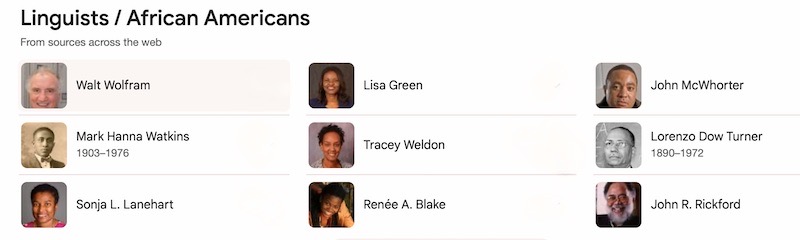
This morning, for complex reasons that shouldn’t concern you here, I did a Google search on “African American linguists”, not reckoning on what might happen with Google’s AI-guided search. This astonishing result, a page with the first 9 of 13 items retrieved:

2 historical figures, 7 living linguists; of those living linguists, 4 are women, 3 are men; of those men, two are African Americans, but the linguist in the position of greatest prominence, at the top left, Walt Wolfram, is not like the other 8 linguists: WW is a strikingly European — specifically German — American
Now, if there were a gold medal for wokeness, WW would surely have retired it for life, but he doesn’t belong in a display of African American linguists.
Thing is, Google hasn’t answered the question that I (implicitly) asked, Who are some linguists who are African American? (which might have pulled up, say, Ken Naylor, who studied the dialectology of what was then called Serbo-Croatian), but instead answered a somewhat similar question it had the answer to, Who are some linguists who have studied African American English? (which should pull up at least Bill Labov, Roger Shuy, and WW, all of whom are white).
Wokeness. From NOAD:
adj. woke: alert to injustice and discrimination in society, especially racism … (1960s: originally in African American usage)
Expanded on in a Wikipedia article:
used since the 1930s or earlier to refer [AZ: especially by African Americans of other African Americans] to awareness of racial prejudice and discrimination, often in the construction stay woke.
… By 2019, the term was being used sarcastically as a pejorative among many on the political right and some centrists to disparage leftist and progressive movements as superficial and insincere performative activism. [AZ: heavy sigh]
Encomia. I was sure that I had posted an encomium to WW and his remarkable career studying the language of, and supporting the communities of, African Americans (and Appalachians and Carolina Tidewater folk too), with all the passion he has devoted to sports (he played basketball, baseball, and football at Olney High School in north Philadelphia many years ago, and seems never to have met a sport he didn’t like). But I can’t find it in my files. Well, you can see the outlines of it from what I just said; he’s been a model of engagement and energy for the rest of us.
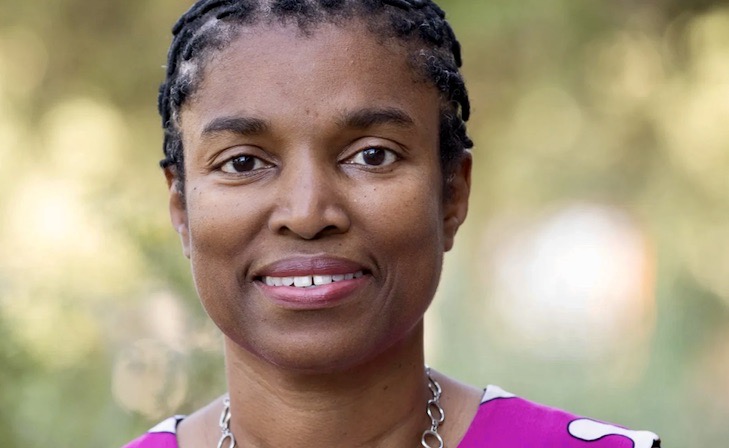
It’s probably a garrulous-codger thing, but I’ve been into encomia recently (see my previous posting, on Sonja Lanehart); well, it’s a great pleasure to write encomia for living people, rather than elegiac death notices.
One of these things. Music by Joe Raposo, lyrics by Jon Stone for Sesame Street (1968):
One of these things is not like the others,
One of these things just doesn’t belong,
Can you tell which thing is not like the others
By the time I finish my song?
Of course you can.