In World Wide Words #802 yesterday, Michael Quinion, following up on his discussion of hoity-toity in the previous issue, passed on a piece of mail:
Lucie Singh wondered if hoity-toity was “at the heart of so many people thinking that hoi polloi means the upper crust (often perceived to be haughty etc) rather than the great unwashed? This misapprehension is rampant in the States.”
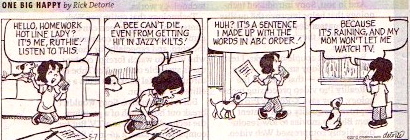
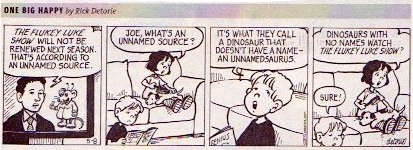
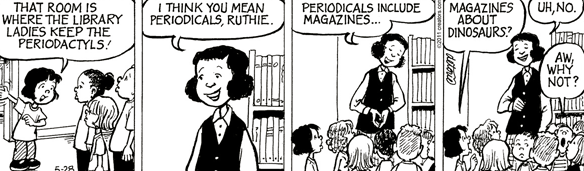
The meanings of ordinary (rather than technical) vocabulary are learned in context, not by explicit definition, so though there will be widespread agreement on these meanings, there will also be considerable variation, following from individual differences in linguistic experience and in the interpretation of this experience; there will be a range of “private meaning” differing in detail from the shared meaning of items.
In some cases, though, private meanings can diverge starkly from the meanings most people have. I talked about a few such cases in a 2009 Language Log posting, and this divergent understanding of hoi polloi looks like another case, but with complications.
(more…)