Archive for January, 2014

Reading PA

January 18, 2014

(Not about language, but about my life.)

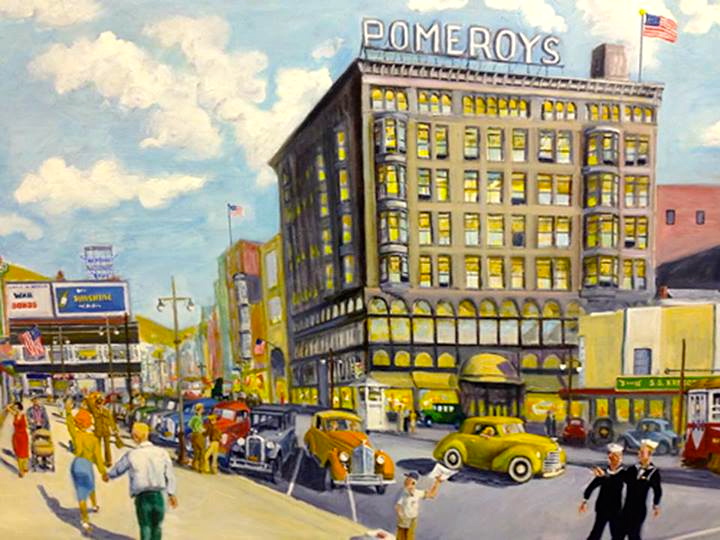
From Eleanor Houck, this photo from the Berks [County PA] — where we both grew up — Center, showing a

close-up … of Pomeroys {department store] c.1941 [from the northeast corner of Fifth St. and Penn Ave.] as depicted in this painting by Jim Holton. What was your favorite Penn Street store?
Oh my, memories of my early life.
(more…)

Honoring Walt Wolfram

January 17, 2014

Somewhat old news (from a NCSU release of 12/6/13):

Walt Wolfram, the William C. Friday Distinguished Professor at NC State, has been honored with the state of North Carolina’s highest civilian honor for his commitment to public service. Wolfram received the North Carolina Award at a ceremony hosted by Governor Pat McCrory.

Among other things,

Wolfram developed the “principle of linguistic gratuity” emphasizing the importance of giving back to the communities where he collects data for his research studies.


Superhero comic tropes

January 17, 2014

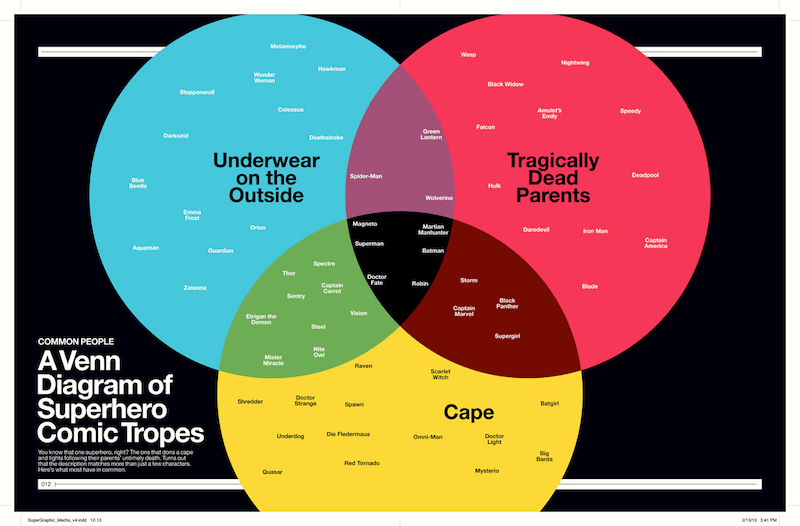
From Tyler Schnoebelen in Facebook, this Venn Diagram of superhero comic tropes:

The superheroes are mostly (but not entirely) from animation.

Poetoon

January 17, 2014

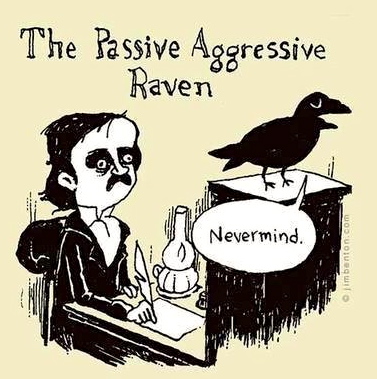
From Weird Tales Magazine on Facebook, this cartoon, referencing Edgar Allan Poe’s “The Raven”:


(Don’t have information on the artist or the original date, alas.)

Quoth the raven, “Nevermore”.

grain-free

January 15, 2014

From Kim Darnell a little while back, a website with “Top Ten Grain-free Bread Recipes”. Grain here is a semi-technical term referring to what are technically called cereal grains: food grains from grasses — millets, maize/corn, sorghum, barley, oats, rice, rye, wheat, wild rice, etc.

In the recipes on this site, cereal grains are replaced by coconut flour, almond flour, ground flaxseed, or tapioca flour. Some of them strike me as potentially quite tasty.

(more…)

Linguistic drones

January 14, 2014

From Ellen Seebacher on Facebook, on All Things Linguistic a little while back, “5 Linguistically Valuable Uses For Drones”. Ellen notes that

Someone has finally combined LingBuzz (the archive of linguistics articles) and BuzzFeed … into LingBuzzFeed, your source of linguistics listicles. There’s only one up at the moment, but it’s pretty great: 5 Linguistically Valuable Uses For Drones.

I think my favourite might be the Isogloss Enforcement Drone, especially because of the illustration.

Accompanying text:

Isoglosses are the neat lines on a map that divide dialects from one another according to their linguistic features. Unfortunately it’s long been known that isoglosses are an inadequate representation of dialect reality, since outliers can usually be found on both sides of the line.

With the Isogloss Enforcement Drone, we can finally do something about this lamentable situation! Equipped with an SMG and mini grenade launcher, this drone will patrol up and down the isogloss, punishing dialect offenders and occasionally launching seek-and-destroy missions for outlying deviant speakers. All while you bake a cake or watch a DVD of Downton Abbey.

New Yorker cartoons

January 14, 2014

From John McIntyre on Facebook, this link to the TED blog of 7/26/13, “Bob Mankoff picks his 11 favorite New Yorker cartoons ever” by Helen Waters. (Mankoff is the cartoon editor of the New Yorker.) Hard to choose, but here are four I especially like.

(more…)

Knock knock

January 14, 2014

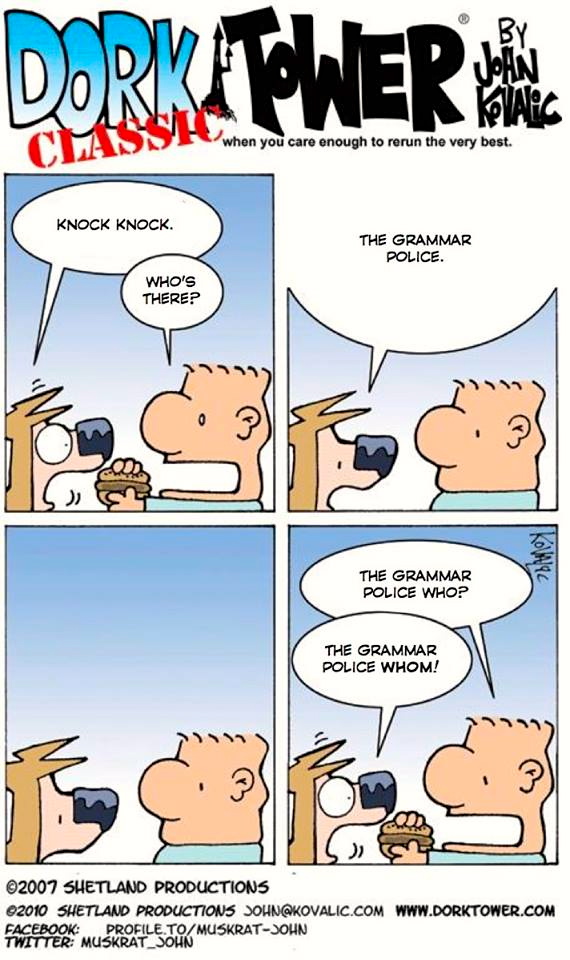
Passed on by Facebook friends, a 2007 Dork Tower cartoon:

(more…)

dive bar?

January 14, 2014

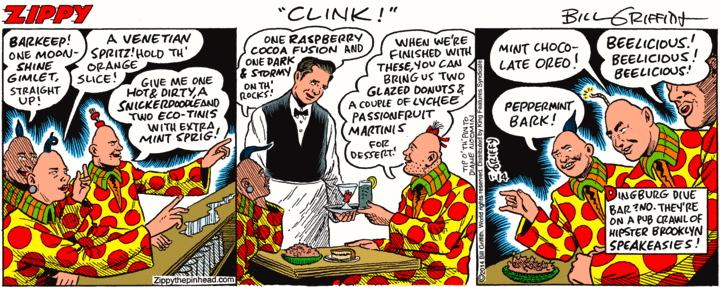
Today’s Zippy:

Remarkable drinks.

ADS-L has recently been having a discussion of dive bar and dive. For some posters, dive is just a short version of dive bar ‘disreputable bar’, but for others it’s taken on a life of its own, so that there can be dive restaurants. Hipster joints are s0mething else again.

Another Peanuts

January 13, 2014

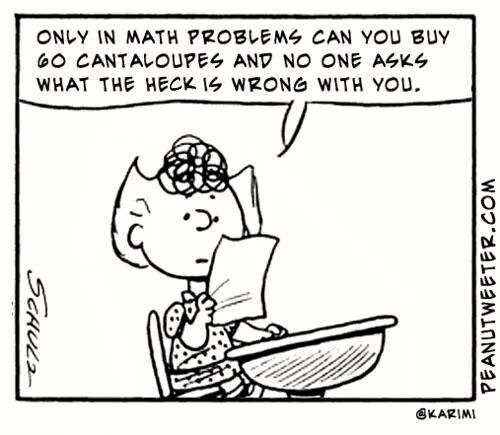
From Eleanor Houck, a Peanuts on the language of textbooks:

Linguists and anthropologists have long commented on the artificiality of textbook queries like this one, and they have noted that the ability to abstract away from actual experience in interpreting them is something you learn in school. Otherwise, faced with something that begins with, say, Mary buys 60 cantaloupes, and goes on to ask about the situation, unschooled people are likely to say they can’t answer the question because they don’t know Mary.